
Five connections that matter.
Connectivity is not one argument but five. Each connection below is a proposed line of evidence (what works, what does not, and what would have to change) assessed on the same standard.
Labour access
Whether residents can physically reach the jobs on offer (by public transport, road or active travel) and whether employers can reach the workforce they need.
Public transport
Coverage, frequency and interchange between homes, centres, campuses and employment areas, and how well the network serves shift and off-peak work.
Road & freight
Movement of goods, services and construction activity across three council areas, and the road access that freight-dependent businesses rely on to operate.
Active transport
Walking and cycling links that connect homes to centres, campuses and employment areas, the shortest trips, and often the ones that decide whether a job is reachable.
Digital connectivity
Reliable data connections for businesses, services and households, an economic utility in its own right, and a substitute for some journeys entirely.
Five connections, one question
Can a resident reach an opportunity, and can a business reach its market? Every connection is assessed against that test, and sequenced against the others rather than planned alone.
See how the roadmap sequences them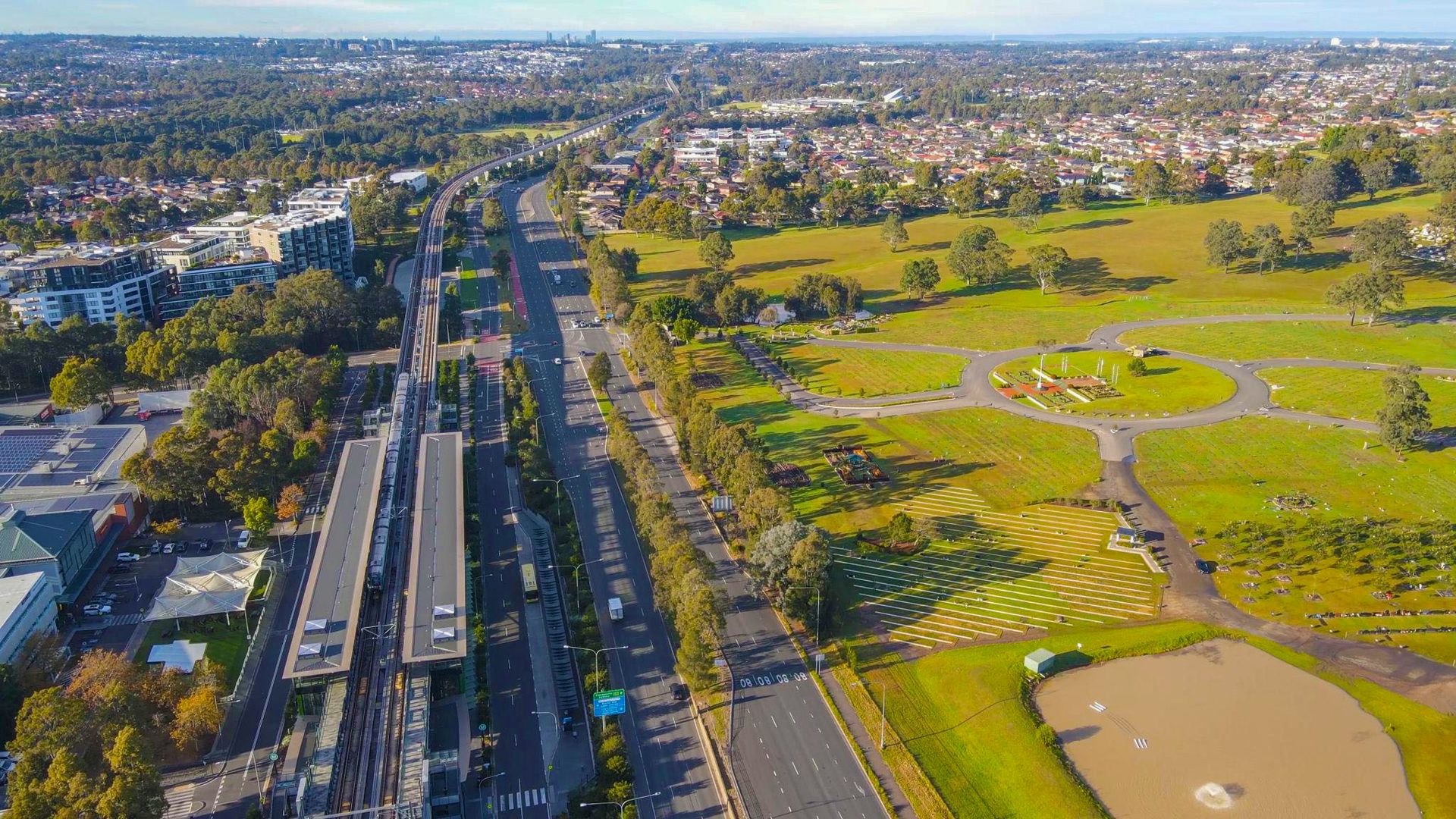
Access is an economic issue.
A job that cannot be reached is, for the person who cannot reach it, not a job. Commute length and reliability are framed here qualitatively. Long, indirect or unpredictable journeys restrict who can apply for work, who can take shift work, and which businesses can serve a market.
Freight moves the other way: goods, materials and services have to reach businesses and construction sites on predictable routes, or costs and delays land on employers. And job access works both directions. Employers in employment areas depend on a labour force that can get to them, not only on the people who already live nearby.
Corridors are shown to frame the question, not to answer it.
The images and connectors below help a reader picture the kinds of links this priority examines. They are discussion prompts, not proposals.
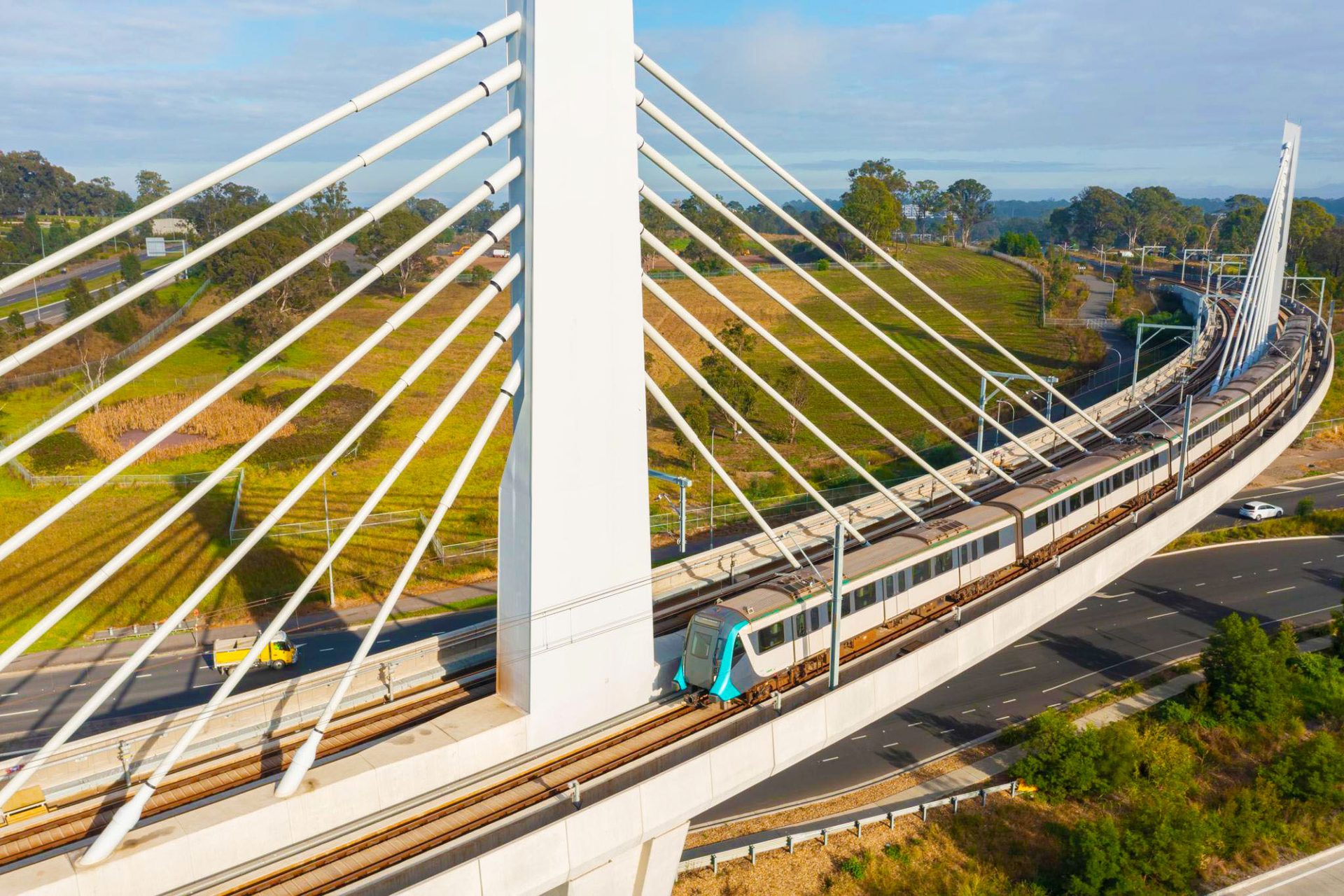
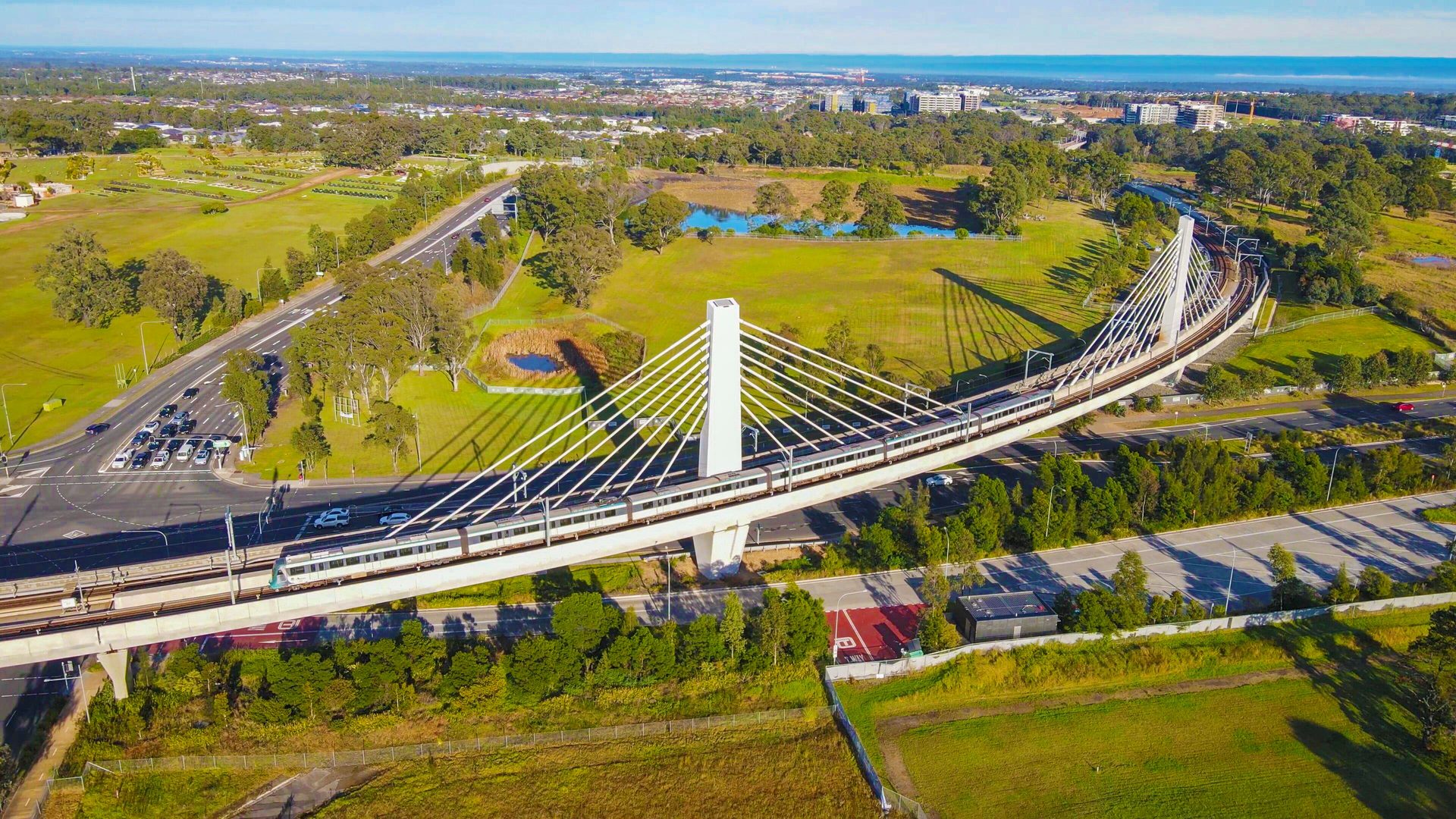
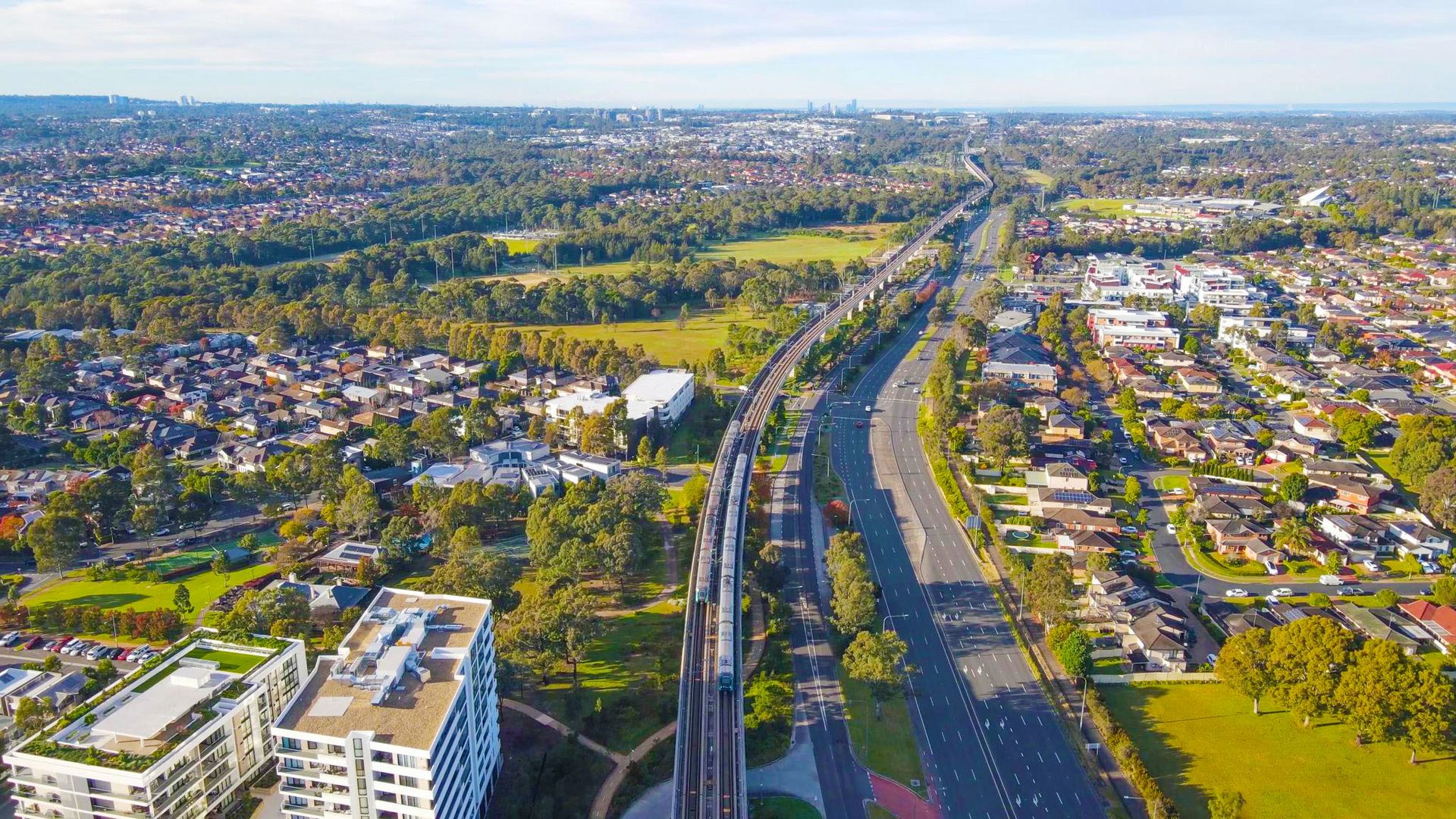
Illustrative corridors only
Phase 2
Corridors and connectors shown on this page are illustrative and subject to validation. No cost, completion date or route alignment is asserted: none has been assessed, approved or adopted. A corridor-status register will be published in Phase 2, once data ownership and methodology have been approved.
How we will report corridor status.
Honesty about what is unknown is part of the standard. Until the register is published in Phase 2, every corridor row reads the same way (unverified) rather than being filled with plausible guesses.
| Corridor / connector | Corridor type | Status | Source | Last verified |
|---|---|---|---|---|
| Employment-area connectorIllustrative reference only | Road & labour access | To be verified | To be confirmed | Not yet verified |
| Town-centre connectorIllustrative reference only | Public transport | To be verified | To be confirmed | Not yet verified |
| Freight movement linkIllustrative reference only | Road & freight | To be verified | To be confirmed | Not yet verified |
| Digital connectionIllustrative reference only | Digital infrastructure | To be verified | To be confirmed | Not yet verified |
Where does the connection break?
If you run a business, a workforce or a service in North West Sydney, you already know which links fail. Tell us about an access barrier (a journey, a route, a gap) and it will be treated as evidence to verify, not a claim to repeat.